Welcome
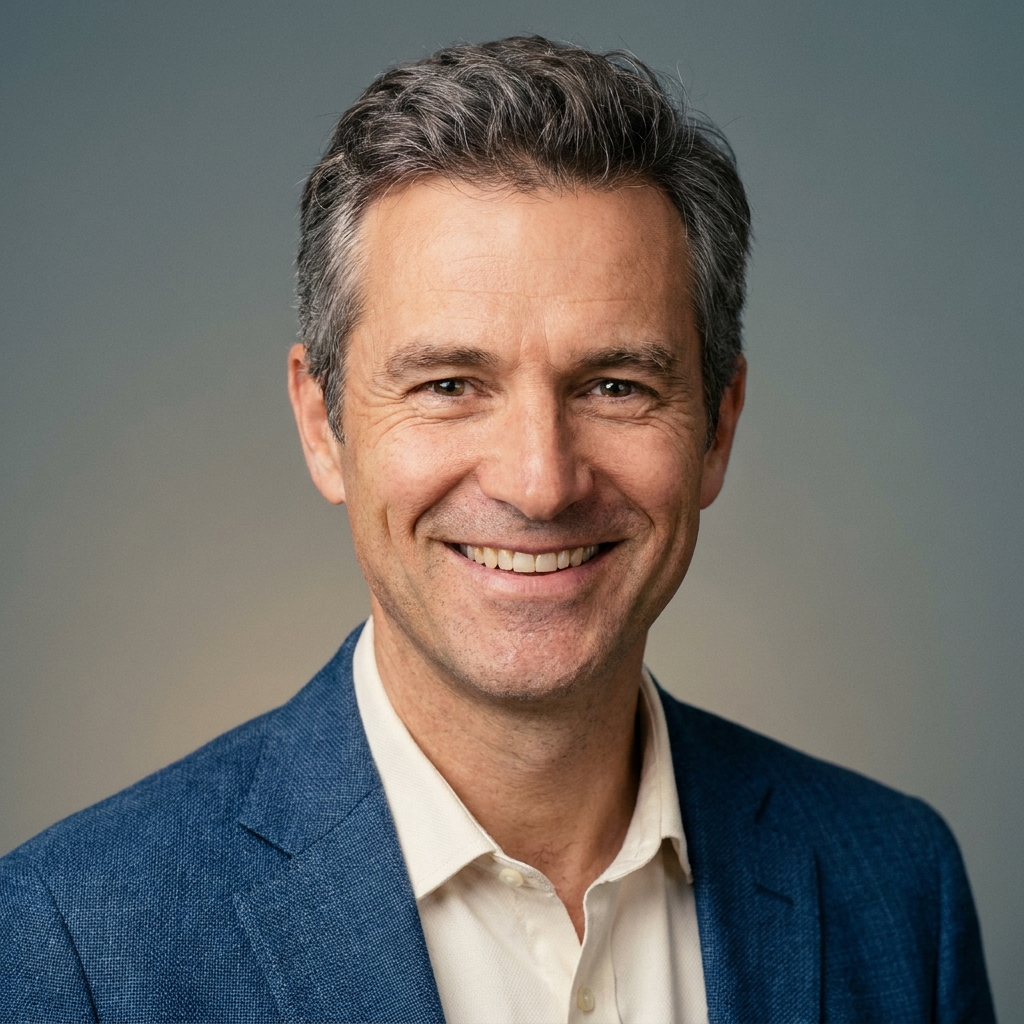
Hi, I’m Simon Keller. Welcome to Free Online Textbooks, a site built around one simple idea: useful books should help you build real skills, not drain your budget.
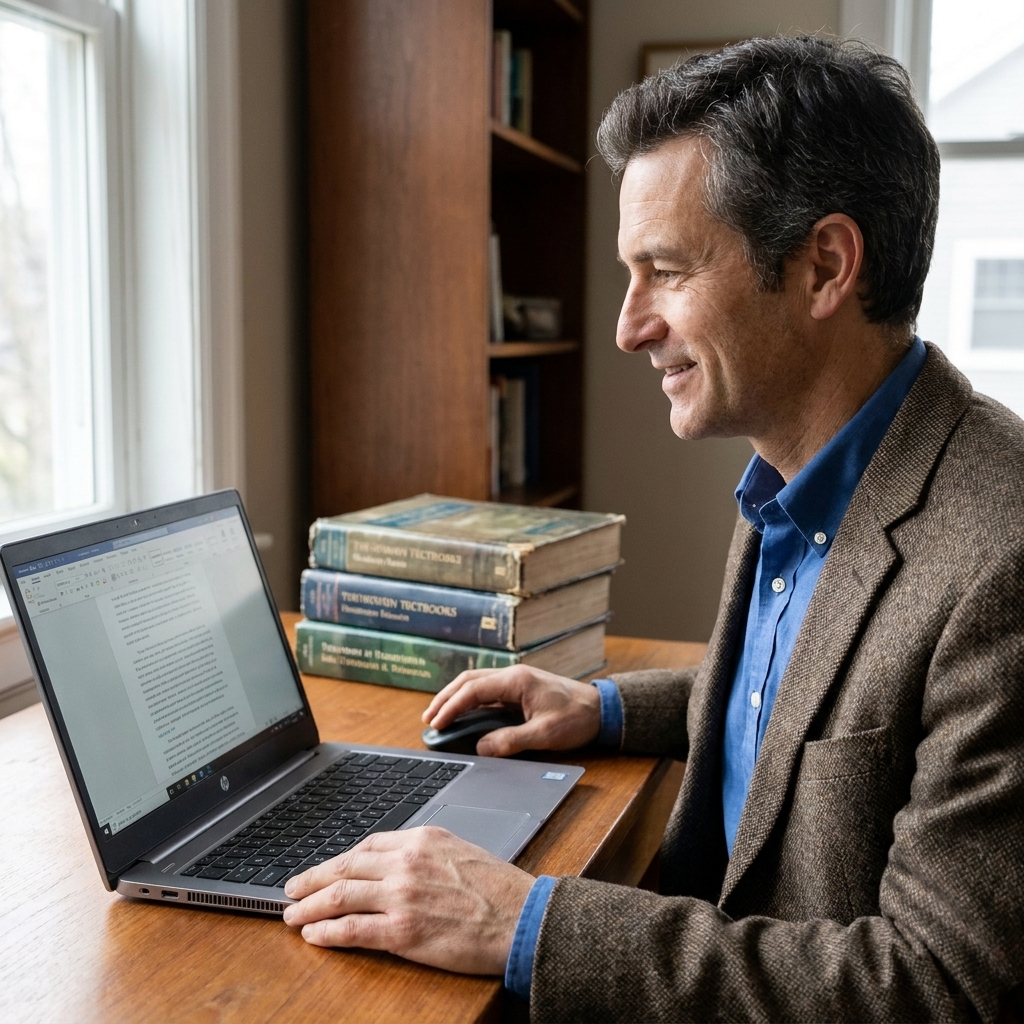
I’m a dedicated self-learner and an open-source enthusiast, and I spend an embarrassing amount of time hunting down high-quality, freely available textbooks and course materials. Then I pressure-test them the way a student actually uses them: working through end-of-chapter problems, taking notes, and trying to apply the ideas in a small project or real-world task.
How this site started
My obsession with open educational resources began in a very practical way. I taught myself web development using free and open resources I could access online. It was not glamorous. It was a lot of late nights, confusing errors, and rereading the same chapter until it finally clicked.
But it worked. And once I realized that real, job-relevant learning could happen without a credit card, I could not unsee it.
Free Online Textbooks grew out of that experience. I wanted a place where people could find the kinds of resources that actually move the needle. The kind you can build a study plan around, not just bookmark and forget.
Our mission
The mission here is straightforward: make self-directed learning easier and more reliable by curating free and low-cost educational materials that are genuinely useful.
That means you can expect:
- Practical curation, not noise. I’m not interested in endless link dumps. I focus on resources that are readable, structured, and usable.
- Skill-first recommendations. I prioritize books that help you solve problems, complete exercises, and build competence.
- Clear next steps. When possible, I’ll point you to what to study next, how to practice, and what to watch out for.
On this site, “free and low-cost” can mean a few different things, but the goal stays the same: resources you can access legally and realistically. That includes public domain works, openly licensed materials (like Creative Commons), and other legitimately free-to-read options.
How I evaluate textbooks
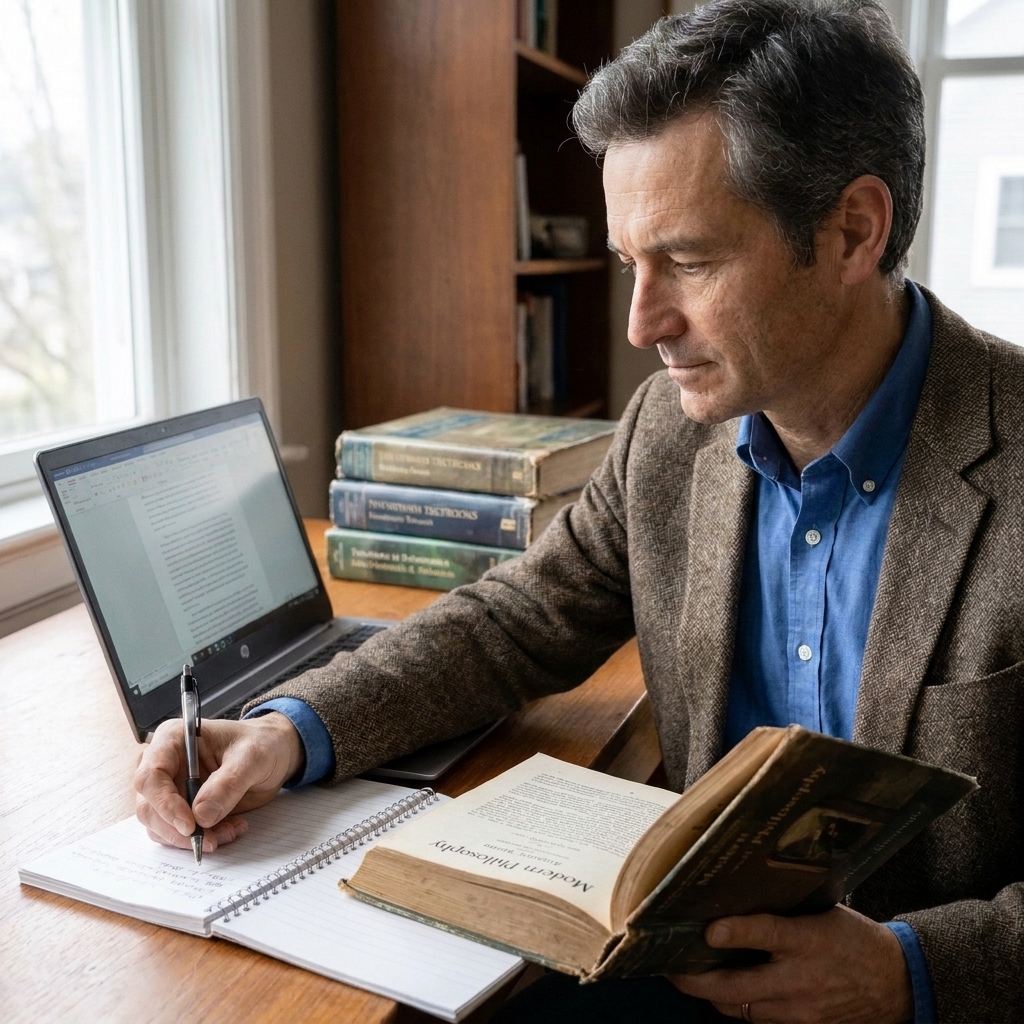
Free does not automatically mean good. Some materials are outdated, overly theoretical, or written in a way that makes learning harder than it needs to be. When I review or recommend a resource, I’m usually asking questions like:
- Does it teach you to use the ideas? Exercises, examples, and projects matter.
- Is it clear for independent learners? If a chapter assumes you already took the class, it may not be a great fit for self-study.
- Is it organized like a course? Good structure reduces decision fatigue and helps you keep momentum.
- Is it accessible? I look for resources that are easy to open, read, and return to regularly.
I try to write the way I wish someone had written for me when I was learning on my own: like a supportive study buddy who respects your time.
What you’ll find here
If you are new here, these are the best starting points:
- Free Textbooks: A guided hub for finding legitimately useful free learning materials across subjects.
- Study Tips: Realistic strategies for learning consistently, retaining more, and staying organized when you are studying solo.
- Career Skills: Resources and guidance aimed at turning learning into capability you can use at work or in a job search.
- Homeschool: Support for parents and learners building an education plan outside the traditional classroom.
Sometimes you will also see coverage of digital reading tools, e-textbook platforms, and practical ways to cut textbook costs. The goal is always the same: remove friction between you and the learning you want to do.
I also revisit key guides periodically and appreciate a heads-up when something changes. If you notice a dead link or a resource that moved behind a paywall, please tell me so I can update the page.
A little more about me
When I’m not tracking down the next great free resource on programming, history, or design, I’m usually tinkering with open-source software, practicing conversational Spanish (which I learned using free resources), or disappearing onto a local hiking trail to reset my brain.
I believe deeply that curiosity and determination should be the only prerequisites for mastering a new subject. Not luck. Not insider access. Not a $200 textbook.
Questions and suggestions
If you spot a broken link, a resource that changed access, or you have a suggestion for a textbook that genuinely helped you, I want to hear about it. The fastest way to reach me is through the contact form here: /contact/.
For transparency on how this site handles information, you can also review our Privacy Policy and Terms of Service. If you are curious about disclosures related to links, you can also see the site’s FTC Disclaimer.
Thanks for stopping by. I’m glad you’re here, and I hope you find something that helps you learn faster, cheaper, and with a little more confidence.